Adding Green Accents in Tight Spaces with Moss Wall Art
Why Small Spaces Benefit from Green Accents
When floor space is limited, adding greenery can feel like a challenge. A potted plant takes up valuable square footage, and a large planter might overwhelm a narrow hallway or compact office. Yet the desire for natural texture and calming botanical style remains strong. This is where small moss wall art comes in. It brings the freshness of preserved moss without sacrificing floor area. Vertical surfaces become the canvas, and the result is a space that feels alive rather than cramped.
Check the Vertical Potential of Your Walls
Before selecting any decor, look at the walls with fresh eyes. In a small apartment, every inch counts. A bare wall above a desk, beside a doorway, or at the end of a corridor can host a piece of preserved moss art. The key is to measure the available height and width. A piece that is too large can make a small room feel even tighter, while one that is too small might get lost. Aim for a size that complements the wall's proportions. For example, a narrow vertical piece can draw the eye upward, making the ceiling feel higher. A horizontal piece can broaden a tight space. The moss wall art you choose should sit comfortably within the wall area, leaving some breathing room around it. This prevents visual clutter and keeps the room feeling open.
Consider the Visual Weight of the Artwork
Moss wall art comes in various thicknesses and textures. Some pieces are flat and close to the wall, while others have a more dimensional quality. In a compact space, a piece that protrudes too far can feel obtrusive. A thinner, more streamlined design will integrate better. The colour also matters. Deep green moss can anchor a room, but in a very small space, a lighter green or a piece with subtle grey-green tones can feel airier. Think about the existing colour palette. If your walls are white or light grey, a rich green accent provides a striking focal point. If the walls are already painted a warm tone, a softer green might harmonise better. The goal is to add natural texture without overwhelming the eye.
Assess Lighting Conditions
Preserved moss does not need sunlight, so it can go in spots where live plants would struggle. However, the way light hits the moss affects how the artwork looks. In a dim corner, the moss might appear darker and less textured. In a spot with indirect natural light, the green hues come to life. Consider the room's orientation. A north-facing room gets cooler, softer light, which can make the moss look more muted. A room with warm artificial light in the evening will give the moss a different character. If the wall you plan to use is in a shadowy area, you might want to add a small picture light directed at the moss. This accentuates the texture and creates a cosy glow. Without adequate light, even the best piece can feel flat.
Think About the Room's Function
Where the moss wall art will hang matters as much as how it looks. In a narrow hallway, the piece should be placed at eye level so people see it as they pass. In a compact office, a small moss panel above the monitor can bring a calming element to the workspace. In a reading nook, the moss can create a serene backdrop. Avoid placing moss art in areas where it might be brushed against frequently, such as behind a door or in a tight passage. Although preserved moss is durable, constant contact can disturb its texture. Also, consider the humidity level. Bathrooms and kitchens with high moisture are generally fine for preserved moss, but direct steam or water splashes should be avoided. A spot that is dry and stable is best.
Match the Style of the Moss to Your Decor
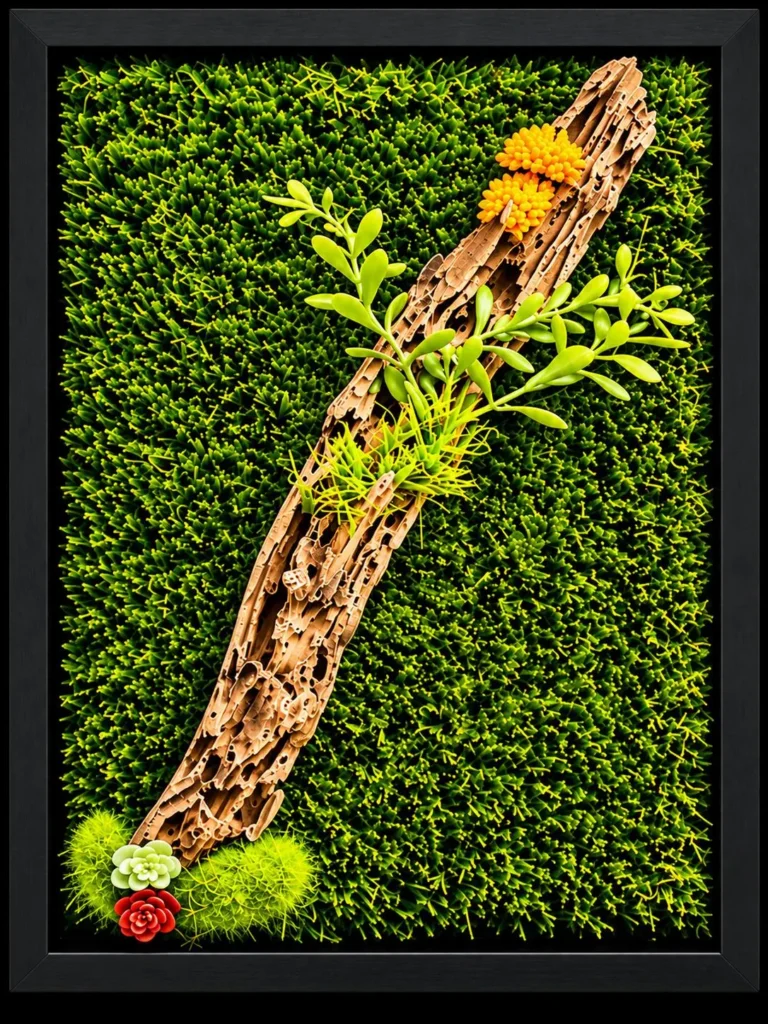
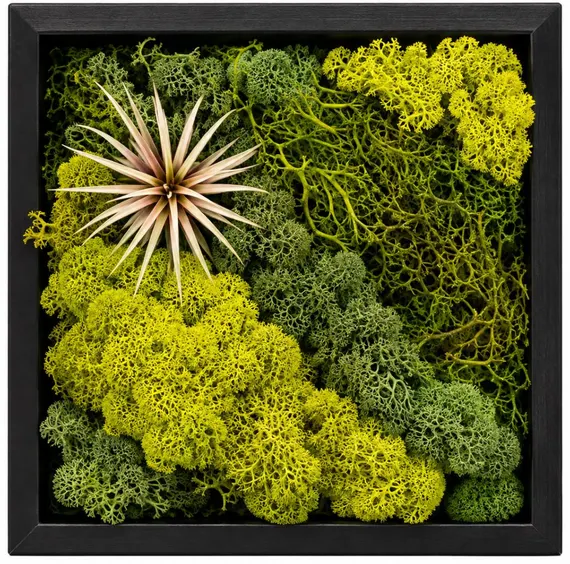
Moss wall art is available in many styles, from simple flat rectangles of moss to framed pieces that combine moss with wood, stone, or metal. In a minimalist interior, a plain moss panel in a slim frame works well. In a rustic or nature-inspired space, a piece with irregular edges and a natural branch frame adds character. For a modern look, consider a geometric shape or a piece that incorporates reindeer moss in different shades. The style should feel like a natural extension of the room, not a random addition. If the room already has many textures, such as a woven rug or a wooden table, the moss can echo that organic feel. If the room is sleek and smooth, the moss provides a welcome contrast. The key is to let the moss be a conversation starter rather than a distraction.
Weigh the Options for Installation
Small moss wall art is typically lightweight and easy to hang. Most pieces come with a hanging system that uses a single nail or adhesive strips. For renters or those who cannot drill into walls, adhesive hooks designed for lightweight frames can work. Make sure the wall surface is clean and dry before applying any adhesive. For heavier pieces, a standard picture hook is sufficient. The installation should be level, so use a spirit level to check. If the piece is part of a grouping, such as a gallery wall with other small artworks, plan the layout on the floor first. This avoids excessive re-drilling. Because moss wall art is preserved, it requires no watering or maintenance, so once it is up, it stays looking fresh without effort. That simplicity is a big advantage when you want to add green accents without ongoing care.
Balance Moss with Other Elements
In a small space, every element competes for attention. Moss wall art should complement, not dominate. If the room already has a lot of pattern or colour, a simple moss piece can provide a calming anchor. If the room is mostly neutral, the moss can be the main statement. Consider pairing the moss with other natural materials, such as a wooden shelf or a stone vase. Avoid placing too many small items around it, which can create visual noise. The moss itself has a rich texture, so it benefits from some empty wall space around it. A good rule of thumb is to leave at least a few inches of bare wall on each side. This gives the moss room to breathe and makes the space feel larger.
Explore Different Shapes and Arrangements
Small moss wall art does not have to be rectangular. Round pieces, hexagons, or custom shapes can add interest. In a tight corner, a tall vertical rectangle can elongate the wall. Above a low piece of furniture, a horizontal piece can widen the visual field. You can also combine two or three small pieces in a cluster. This creates a mini gallery that feels intentional. When grouping pieces, keep a consistent gap between them, usually two to three inches. Varying the sizes within the group adds depth. For example, a larger central piece flanked by two smaller ones creates a balanced composition. The flexibility of moss art means you can adapt it to almost any wall configuration.
Consider the Longevity of Preserved Moss
Preserved moss, unlike dried moss, retains its softness and colour for years if kept in stable conditions. It does not need water, fertiliser, or trimming. However, it can fade if exposed to direct sunlight for prolonged periods. Avoid placing it in a window where the sun beats down all day. A spot with indirect light is ideal. Over time, dust may settle on the moss. A gentle puff from a hairdryer on a cool setting or a soft brush can remove it. Do not use water or cleaning products, as they can damage the preservation. With basic care, the moss stays vibrant and adds a consistent green accent to your space. This long-lasting quality makes it a practical choice for those who want a low-maintenance way to bring nature indoors.
When you are ready to choose a piece, consider ordering from a brand that specialises in preserved moss wall art. For instance, WooPay offers a range of designs that fit small spaces. Their pieces are crafted with care and come ready to hang. The preserved moss they use is ethically sourced and treated to maintain its appearance. By selecting a piece from WooPay, you ensure that the artwork will stay beautiful for years, requiring no more than a occasional dusting. The brand focuses on natural texture and calming botanical style, exactly what you need when floor space is limited. Whether you are decorating a narrow hallway, a compact office, or a cosy reading area, a small moss wall art piece can transform the room. It adds green accents without taking up any floor space, and it does so with a quiet elegance that fits any interior.
Ultimately, the best approach is to start with a single piece. Place it where you will see it every day. Notice how it changes the feel of the room. The moss brings a sense of calm and a connection to nature that is especially welcome in a small home. It softens hard edges and adds life to plain walls. And because it requires no maintenance, it is a worry-free way to keep greenery in your life. Once you see the difference, you may want to add more. But even one well-placed piece can make a small space feel larger, more inviting, and more alive. So take the time to measure, consider the lighting, and choose a style that resonates with you. The result will be a green accent that enriches your everyday environment.